Cool Poppa Funny PNG EPS Design Review
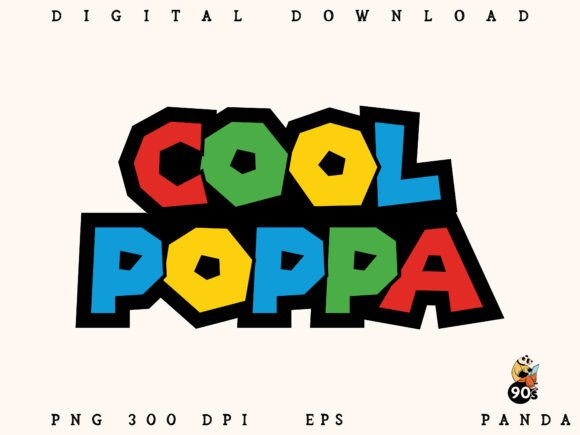
I have spent years reviewing digital assets for the embroidery community, and I know that a file looks great on a screen but can fail miserably under the needle. When I first opened the Cool Poppa Funny PNG EPS Design, my immediate reaction was one of cautious optimism. It falls squarely into the Graphics and Crafts categories, promising a "Walking Dad Comic Style" aesthetic that feels distinct from the generic clip art often found in mass-market bundles. But does it hold up when transferred to fabric? That is the only metric that matters to me.
The First Impression: Visual Personality and Layout
The design immediately conveys a sense of humor and casual warmth. The comic style suggests movement, which is crucial for an embroidery project because static images can sometimes look stiff when stitched. The layout appears balanced, with enough negative space around the character to allow for proper framing within a standard hoop. For a designer, this balance is everything; it dictates whether the final piece will look professional or cluttered.
As a digital embroidery file intended for commercial use, the visual appeal needs to be sharp. The transparent background provided in the PNG ensures that you won't accidentally stitch a white box behind your dad graphic. This is a small detail that saves hours of cleanup time. However, the transition from a vector-based EPS to a stitched reality requires scrutiny. The lines need to be clean enough to translate well into satin stitches without losing definition at the corners.
Real-World Application: A Custom Tote Bag Project
To test the practicality of the Cool Poppa Funny PNG EPS Design, I imagined a real-life scenario: creating a personalized gift for a father's birthday using a canvas tote bag. This is a common request for Etsy sellers and craft fair vendors. The goal is to create a product that feels handmade yet polished.
In this context, the design fits perfectly. The walking pose of the dad works well on the front panel of a tote bag, centered just below the handle attachment points. Because the design is described as having high resolution (300 dpi) and scalable vector capabilities via the EPS, it can be resized to fit various tote dimensions without pixelation. When I visualize the stitching process, the comic style allows for bold outlines that stand out against the textured canvas fabric. It creates a fun, approachable vibe that customers love for gifts.
However, if I were to attempt this on a sweatshirt, the dynamic nature of the walking figure would add a playful touch to the chest area. It transforms a plain garment into a conversation starter. For a boutique owner, this kind of imagery increases perceived value. It moves beyond simple text and becomes a piece of wearable art, which is exactly what modern buyers are looking for in the craft business.
Technical Performance and Stitching Challenges
While the concept is strong, every machine embroidery design faces specific challenges during production. The comic style relies heavily on clean lines and distinct shapes. If the design includes tiny details or very thin lettering, these elements can become mushy if the stitch density is too high or the thread count is insufficient. In my experience, dense fill stitches in small areas can cause the fabric to pucker, especially on stretchy materials like t-shirts or baby clothes.
If you plan to use this for baby embroidery on onesies or bibs, you must be extremely careful. Thin fabrics require a lighter touch and potentially a different stabilizer setup. The design might look fine on a sturdy apron or a pillow cover, but on a delicate knit, the tension could distort the image. I always advise testing the stitch density on scrap fabric before committing to a finished product. If the design has complex curves, ensure they are simplified enough to be executed cleanly by your machine.
Another consideration is the color palette. The original file likely uses vibrant colors, but thread choices vary significantly between brands. A bright yellow thread might not pop against a dark navy fabric, whereas a light cream thread might get lost on a pastel background. You will need to carefully select your thread colors to maintain the contrast seen in the digital preview. Using a monochromatic scheme or a limited palette can sometimes yield better results than trying to replicate every shade from the original graphic.
Navigating Fabric Textures and Hoop Sizes
The versatility of the Cool Poppa Funny PNG EPS Design depends heavily on the substrate. On a flat surface like a kitchen towel or a tea towel, the design should render beautifully with crisp satin stitch edges. However, applying this to a curved surface, such as a baseball cap or a beanie, introduces distortion risks. The walking figure might appear stretched or compressed depending on the curvature of the hat.
For small hoop sizes, typically used for patches or cuff embroidery, the level of detail in the comic style must be reduced. If the design contains intricate shading or tiny text, it may disappear entirely when scaled down. In these cases, simplifying the artwork or focusing on the main silhouette is a smarter approach. Always check the recommended hoop size for your specific machine and ensure the design dimensions match your available workspace.
Impact on Product Value and Brand Consistency
When selling handmade products, the quality of the design directly influences customer trust. A sloppy stitch job or a design that looks blurry after washing can damage a brand's reputation. Conversely, a well-executed embroidered patch or custom apparel item featuring the Cool Poppa Funny PNG EPS Design signals professionalism. It shows that you care about the details, even those hidden inside the machine.
This design has strong potential for holiday gifts, wedding favors, or corporate swag. The "Poppa" theme resonates with family-oriented markets, making it a versatile asset for commercial embroidery. By offering high-quality variations of this design on different products—like tote bags, sweatshirts, and nursery decor—you can build a cohesive collection that appeals to a wide audience. Consistency in execution is key to building a loyal customer base.
Essential Designer Notes Before You Start
Before you rush to load the file into your software, there are critical steps to ensure success. First, always run a test stitch on a piece of scrap fabric that matches the weight and texture of your final project. This helps you gauge how the stabilizer interacts with the material and reveals any potential puckering issues.
Secondly, verify the licensing terms. While the file is sold as a digital asset, commercial rights vary. Ensure you have the permission to sell finished items made with this design if you intend to use it for profit. Check the file formats provided; having both PNG and EPS gives you flexibility, but you must convert them correctly for your embroidery software. Do not assume compatibility; some older machines struggle with certain vector conversions.
Finally, inspect the design for any tiny details that might not stitch well. If you see thin lines or small text, consider simplifying them or adjusting the stitch settings. Use black and white mockups to check the contrast and composition before adding color. By taking these precautions, you ensure that your finished product meets the highest standards of craftsmanship.
The Cool Poppa Funny PNG EPS Design is more than just a cute image; it is a tool for creative entrepreneurs. With the right technique and attention to detail, it can elevate your handmade goods from simple crafts to memorable keepsakes. Whether you are an Etsy seller looking to expand your inventory or a hobbyist making a special gift, this design offers a solid foundation for your next embroidery project.