NEVER COMPLAIN NEVER EXPLAIN Graphics for Modern Crafts
In the fast-paced world of digital publishing, a single visual asset can determine whether a reader clicks through or scrolls past. As an experienced blog designer and content publisher, I have spent years curating design assets that not only look good but drive engagement. Recently, I reviewed a bold text design titled NEVER COMPLAIN NEVER EXPLAIN intended for use in real website and editorial projects. This review explores how this specific graphic fits into a professional publishing workflow, from featured images to downloadable lead magnets.
The First Impression: Editorial Mood and Reader Perception
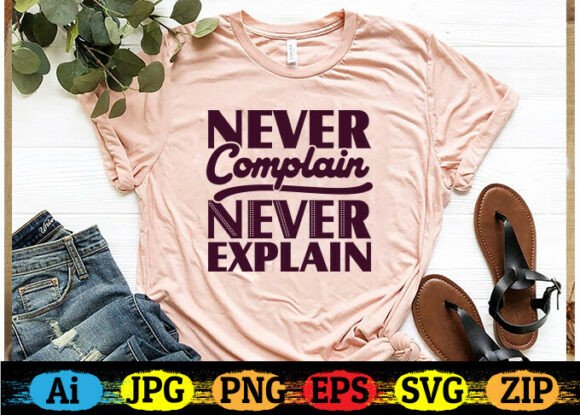
When I first opened the file, the immediate takeaway was the sheer confidence of the typography. The phrase NEVER COMPLAIN NEVER EXPLAIN carries a heavy emotional weight, projecting an attitude that is both empowering and unapologetic. In terms of editorial mood, this design feels modern, clean, and undeniably bold. It does not rely on decorative flourishes; instead, it leans on strong visual hierarchy and negative space to command attention.
For a content creator, this aesthetic naturally supports niches focused on lifestyle, entrepreneurship, personal development, and high-end creative work. It avoids being overly playful or childish, making it suitable for serious content marketing strategies. When placed on a website header or a newsletter banner, it signals to the reader that the brand behind the content is authoritative and trustworthy. This is crucial for building brand identity in crowded digital spaces where users decide within seconds if they should stay.
Integrating the Design into Real Publishing Workflows
I recently tested this asset within a live blogging environment to see how it performed across various touchpoints. The versatility of the NEVER COMPLAIN NEVER EXPLAIN design is its strongest selling point for digital publishers. Because the package includes multiple formats—such as a high-quality JPG for immediate use and editable AI, SVG, and EPS files for customization—it fits seamlessly into any web design pipeline.
Imagine preparing a series of articles about overcoming workplace challenges or building a side hustle. Using this graphic as a featured image creates a striking anchor for the post. It transforms a standard blog entry into a visually distinct piece of content. Beyond static posts, I found it equally effective as a Pinterest pin. The clear, legible text stands out against busy social feeds, increasing the likelihood of a click-through to your site.
The asset also shines when used for digital products. Whether you are creating a digital guide, a worksheet for an online course, or a cover for an eBook, this design adds a layer of professional polish. For affiliate marketers, using this graphic in promotional banners or media kits can elevate the perceived value of the recommendations. It acts as a visual cue that the content is curated by someone who knows their craft.
Enhancing Visual Hierarchy and Click-Through Potential
One of the primary goals of any publisher is to improve the user experience through better visual hierarchy. The NEVER COMPLAIN NEVER EXPLAIN graphic excels here because the text is the hero. There is no clutter to distract the eye. When readers scan a category page filled with thumbnails, this design ensures their gaze is drawn immediately to the headline.
This clarity directly impacts performance metrics. A stronger first impression leads to higher click-through rates (CTR) and longer time-on-page. By maintaining a consistent visual style across your social media graphics and website headers, you create a cohesive ecosystem that reinforces your message. Readers begin to recognize your brand instantly, which fosters trust and loyalty. In the realm of small business branding, consistency is often the difference between a hobbyist blog and a recognized authority.
Strategic Placement for Maximum Impact
To get the most out of this graphic design asset, strategic placement is key. I recommend starting with hero images at the top of your homepage or major landing pages. The bold nature of the text demands space, so it works best in large-format areas where it can breathe.
- Article Thumbnails: Use the design as a background or overlay for listicles and opinion pieces to signal a strong stance.
- Newsletter Headers: Incorporate it into email templates to set a confident tone before the reader even opens the message.
- Content Upgrades: Pair the graphic with free resources like checklists or cheat sheets to increase download rates.
- Category Visuals: Assign this design to specific categories within your site to create distinct visual zones.
Furthermore, because the file includes editable vector formats, you can easily adapt it for Canva templates or other design software. This flexibility allows you to tweak colors or add secondary text without losing quality, ensuring the final output looks crisp on all devices.
Critical Considerations and Usage Warnings
While this asset is powerful, it is not a one-size-fits-all solution. As a publisher, I must advise caution regarding where and how this design is deployed. The boldness of the text can sometimes clash with more subtle or corporate aesthetics.
Avoid using this graphic in small mobile thumbnails where the text might become illegible due to compression or screen size. If your website relies on a very minimal visual system, this design might feel too aggressive. Similarly, for serious professional niches such as legal advice, medical information, or corporate finance, the edgy tone may undermine the necessary gravity of the content.
Additionally, be mindful of contrast. Placing white text over a light background or black text over a dark grey area will ruin readability. Always test the design against various backgrounds to ensure it remains accessible. For busy layouts with heavy text overlays, consider using the design as a standalone accent rather than a primary background element.
Practical Publisher Notes for Implementation
Before integrating NEVER COMPLAIN NEVER EXPLAIN into your monetized websites or paid content products, follow these technical steps to ensure success.
- Screen Testing: Preview the design on desktop monitors, tablets, and smartphones. Ensure the text scales correctly and does not get cut off.
- Layout Integration: Place the graphic inside a real blog layout mockup. Does it harmonize with your existing navigation and footer?
- Typography Pairing: Experiment with pairing the design alongside different font styles. Try it next to serif fonts for a classic look, sans-serif for modernity, or script fonts for a creative contrast.
- Contrast Check: Review the image in black and white mode to verify that the visual impact holds up without color.
- Performance Optimization: Check the file size. Compress images properly using tools designed for web performance to prevent slow load times.
- Licensing Verification: Confirm that you have a valid commercial license before using the asset on affiliate pages or for sale as part of a digital product.
By following these guidelines, you ensure that your use of the design aligns with best practices for creative design and digital downloads. The goal is to enhance your content without compromising technical standards or legal compliance.
Final Thoughts on Editorial Quality
The NEVER COMPLAIN NEVER EXPLAIN design is more than just a pretty picture; it is a statement of intent. For bloggers, publishers, and digital marketers looking to elevate their editorial design, this asset offers a versatile tool for communicating strength and clarity. Whether you are crafting a printable design for a workshop or a dynamic website header for your latest campaign, this graphic delivers a polished, professional finish.
When used thoughtfully, it bridges the gap between simple text and compelling visual storytelling. It reminds us that in the world of content publishing, the way we present our ideas is just as important as the ideas themselves. With its robust file formats and strong aesthetic, this design is a valuable addition to any creative entrepreneur's toolkit.