Thanksgiving Turkey Quote Clipart Review
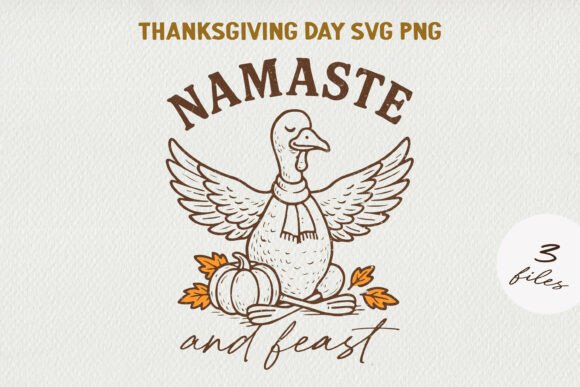
When I first opened the files for Thanksgiving Turkey Quote Clipart, my immediate reaction wasn't about the technical specs, but about the mood it set. As someone who spends hours staring at stitch density and thread colors, the first thing I look for is personality. This design brings a distinct retro engraved vibe that feels less like a generic holiday clipart and more like a vintage illustration found in an old family cookbook. It has that rustic charm that makes people stop scrolling on Etsy or pause to admire a boutique display. But does it hold up when it moves from a screen to a hoop? That is the real question.
The First Stitch: Visual Personality and Mood
The visual appeal of this Graphics asset lies in its texture. The retro style suggests a hand-drawn quality that translates surprisingly well into embroidery, provided the digitizing respects the original lines. Unlike modern vector art which can sometimes look too sharp and digital, this engraved turkey carries a weight of tradition. When I imagine placing this on a canvas tote bag or a linen kitchen towel, the aesthetic fits perfectly. It evokes nostalgia without being cheesy. For a crafter looking to create personalized gifts, this design offers a level of sophistication that elevates a simple handmade product into something that looks professionally curated.
The layout is balanced, leaving room for the quote to breathe while the turkey serves as the anchor. In the world of machine embroidery design, composition is everything. If the text and image fight for space, the final result suffers. Here, the relationship between the bird and the typography feels harmonious, suggesting that the designer understood how negative space works even before the first stitch was laid down.
Real-World Application: From Screen to Stitches
I recently put this embroidery file through a rigorous test scenario to see how it would perform in a real commercial setting. My goal was to create a limited run of custom embroidered sweatshirts for a local fall craft fair. The challenge with retro designs is often that they can get lost if the stitch density isn't right, especially on textured fabrics like heavy cotton fleece.
I selected a mid-weight charcoal grey fabric for the sweatshirts. The contrast was key here. The engraved lines of the turkey needed to pop against the dark background. I also considered using this for baby clothes, where softer pastel threads might be preferred. In that context, the design would need to be scaled slightly larger to ensure the details remain visible on smaller garments. However, for adult apparel, the scale felt just right for a left-chest placement or a centered back graphic.
Beyond apparel, I tested the concept on a tea towel. The rustic theme is a natural fit for kitchen decor. A Thanksgiving Turkey Quote Clipart design on a linen towel adds a focal point to a table setting that feels warm and inviting. It transforms a utilitarian item into a conversation starter. This versatility is what makes a design asset valuable for small business owners. Whether you are selling handmade products at a craft fair or listing items on Etsy, having a design that works across multiple categories increases your inventory potential.
Navigating the Technical Challenges
While the aesthetic is strong, every experienced designer knows that execution determines success. There are specific areas where Thanksgiving Turkey Quote Clipart requires careful handling. One of the primary concerns is the detail level in the "engraved" sections. On a large patch or a pillow cover, these fine lines will render beautifully. However, if you attempt to use this design for a small hoop size, such as on a cap brim or a tiny baby bib, those intricate lines may merge together, creating a muddy appearance.
Textured fabrics present another hurdle. If you are stitching onto a thick chenille sweatshirt or a rough burlap, the needle might struggle to penetrate deeply enough to lay the stitches flat. This can lead to uneven coverage or puckering. Similarly, stretchy fabrics require a stabilizer that provides enough rigidity to prevent the design from distorting during wear. Without proper support, the curves of the turkey could warp, ruining the symmetry of the piece.
Dense stitch areas are also worth noting. If the design includes large fill stitches within the feathers or the lettering, it can become stiff. For a wearable item like a hoodie, stiffness can be uncomfortable. You want the embroidery to feel integrated with the fabric, not like a separate plastic plate sewn on top. Checking the stitch density before production is non-negotiable. If the design is too dense, consider reducing the stitch count or adjusting the underlay to improve flexibility.
Strategic Placement and Fabric Choices
To maximize the impact of this design, fabric selection is critical. Light-colored fabrics allow the retro tones to shine, while dark fabrics demand high-contrast thread choices. I recommend testing thread colors in both black and white mockups to ensure legibility. If you are producing commercial embroidery projects, consistency is key to building brand trust. Customers expect a finished product that looks clean and professional, regardless of the fabric type.
For embroidered patches, this design would work exceptionally well due to the bold outlines typical of engraved styles. The edges define the shape clearly, making it easier to apply a merrow border if desired. However, for apparel decorators, be cautious with curved surfaces. While caps are popular, the curvature can distort the perspective of a flat engraved image. It is often safer to stick to flat surfaces like tote bags, aprons, or pillow covers where the geometry remains consistent.
Practical Notes for the Creative Entrepreneur
If you are planning to sell finished items featuring this design, there are several steps you must take to protect your reputation and your clients. First, always test the design on scrap fabric that matches your final material. This allows you to see how the thread colors interact with the weave of the cloth and whether any adjustments are needed in the digitizing software.
Inspect small details closely. Sometimes, a line that looks perfect on a monitor becomes invisible once stitched. Ensure that the smallest elements of the turkey's feathers or the serifs on the letters have enough width to hold their shape. Also, verify the licensing terms. Many digital embroidery files come with restrictions on commercial use. Before you start mass-producing small shop products, confirm that you have the rights to sell the finished goods.
Using a proper stabilizer is another step that cannot be overlooked. The wrong stabilizer can cause the design to shift, leading to misalignment between the turkey and the quote. For holiday embroidery projects, time is often of the essence, so having a reliable workflow ensures you meet deadlines without compromising quality.
Final Thoughts on Design Value
In the end, Thanksgiving Turkey Quote Clipart is a strong contender for anyone looking to add a touch of vintage flair to their collection. It bridges the gap between modern digital convenience and traditional craftsmanship. When executed correctly, it enhances the perceived value of a personalized gift or a boutique item. It signals to the buyer that care was taken in the creation process.
Whether you are a hobbyist making a one-off project for a neighbor or a seasoned Etsy seller expanding your catalog, this design offers a versatile foundation. Just remember that the magic happens in the details—the choice of thread, the stability of the fabric, and the precision of the machine. By approaching this embroidery project with a critical eye and a willingness to test, you can turn a simple digital file into a stunning finished product that stands out in a crowded market.